

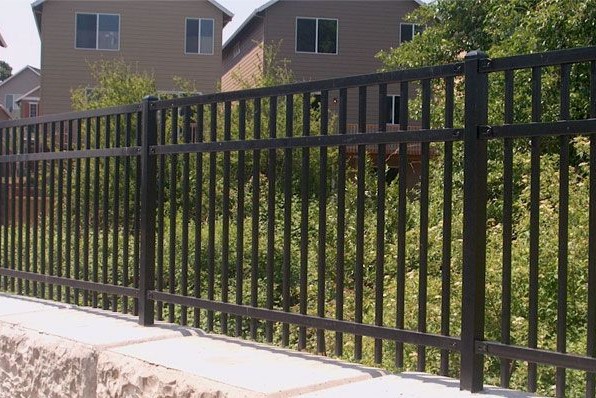
When it comes to industrial areas, security, safety, and durability are top priorities. One of the most effective ways to ensure these is by installing high-quality commercial fences. Choosing the right type of fence can protect your property, prevent unauthorized access, and create a professional appearance for your industrial site. With so many options available, it is important to understand the key factors that will help you select the best commercial fences for your needs.
Understanding the Purpose of Commercial Fences
Commercial fences serve multiple purposes in industrial areas. They not only provide security by keeping intruders out but also help define property boundaries clearly. In addition, they can prevent accidents by keeping pedestrians and vehicles away from potentially dangerous areas. Some commercial fences are designed to provide visibility while maintaining security, while others offer complete privacy. Understanding what you want your fence to achieve will guide your decision in choosing the right materials and design.
Types of Commercial Fences
There are several types of commercial fences suitable for industrial areas. Chain-link fences are a popular choice because they are durable, cost-effective, and easy to maintain. They can be combined with barbed wire or razor wire for extra security. Steel fences are another option, offering strong resistance to impact and weather. Wooden fences, although less common in industrial areas, may be used for specific zones that require aesthetic appeal alongside functionality. Each type of fence comes with its own benefits and considerations, so it is essential to weigh these against your industrial site’s needs.
Material Quality and Durability
When selecting commercial fences, the material quality plays a crucial role in long-term performance. Industrial environments can be harsh, with exposure to weather, chemicals, or heavy machinery. Fences made from galvanized steel or coated metal tend to resist rust and corrosion, ensuring they remain strong over time. Investing in high-quality materials may cost more initially, but it reduces maintenance expenses and extends the life of the fence. Durability should always be a key factor in your decision-making process.
Height and Security Features
The height of commercial fences is directly related to security. Taller fences are more effective at preventing unauthorized access and deterring intruders. Some industrial areas may also require additional security features such as locks, gates, or surveillance systems. Fences can be customized with these features to meet the specific safety requirements of your property. Planning these elements in advance ensures your commercial fences not only serve as a barrier but also enhance overall site security.
Maintenance and Cost Considerations
Maintenance is another important factor when choosing commercial fences. Some materials require regular treatment to prevent decay or rust, while others are virtually maintenance-free. Considering the ongoing cost and effort needed to maintain your fence can help you select a solution that fits both your budget and your operational needs. Additionally, balancing initial installation costs with long-term durability will ensure that your investment provides value over time.
Conclusion
Choosing the right commercial fences for industrial areas requires careful planning and consideration. Understanding the purpose of the fence, selecting the appropriate type and material, considering height and security features, and evaluating maintenance and costs are all essential steps. By focusing on these factors, industrial property owners can ensure their commercial fences provide effective security, durability, and a professional appearance. A well-chosen fence not only protects your property but also supports the smooth operation of your industrial site.