

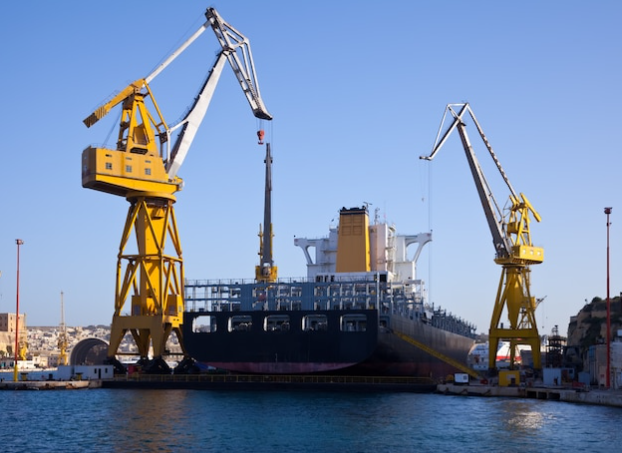
In the maritime and shipping industry, barge unloading operations are crucial for the timely distribution of goods. Efficiency in these operations relies heavily on the barge unloading equipment used. Selecting the right tools and machinery can significantly impact turnaround times, safety, and overall productivity.
1. Conveyors: The Backbone of Barge Unloading Equipment
Conveyor systems are among the most essential pieces of barge unloading equipment. They facilitate the quick transfer of bulk materials from the barge to the storage or distribution area. Various types of conveyors, including belt and screw conveyors, can handle different materials, such as grains, chemicals, or aggregates.
Effective conveyor systems not only speed up unloading but also ensure minimal spillage and contamination during the process. For large operations, investing in high-capacity conveyors can make a significant difference in efficiency and help meet tight schedules.
2. Cranes and Hoists: Versatile Lifting Solutions
Cranes and hoisting equipment play a pivotal role in barge unloading operations, especially when it comes to moving heavy or oversized cargo. This category of barge unloading equipment includes mobile cranes, gantry cranes, and hydraulic hoists. They provide the necessary strength and precision to handle various loads safely.
Utilizing cranes efficiently can reduce the time spent unloading and minimize the risk of damage to both the cargo and the equipment itself. The proper selection of lifting equipment based on the type of cargo can enhance safety and efficiency in the unloading process.
3. Forklifts and Reach Stackers: Maneuverability Matters
Forklifts and reach stackers are essential for the effective movement of materials once they have been unloaded from the barge. These pieces of barge unloading equipment allow operators to quickly transport cargo to storage areas or loading zones.
Furthermore, reach stackers are particularly beneficial in environments with limited space, as they can stack containers and cargo vertically, optimizing storage capacity. Choosing the right type of forklift or reach stacker based on the weight and dimensions of the cargo can greatly improve workflow efficiency.
4. Dust Control Systems: Maintaining a Clean Work Environment
Another important aspect often overlooked in barge unloading operations is dust control. Dust can pose health risks to workers and lead to costly cleanup procedures. Effective barge unloading equipment includes dust suppression systems such as water sprays or fogging systems that help maintain a clean environment during unloading.
Implementing these systems not only promotes worker safety but also ensures compliance with environmental regulations, creating a safer and more efficient working atmosphere.
5. Safety Gear and Monitoring Systems: Prioritizing Safety
Finally, prioritizing safety in barge unloading operations is non-negotiable. The use of personal protective equipment (PPE) is essential for workers engaged in unloading activities. Additionally, incorporating monitoring systems such as cameras and sensors can enhance safety protocols by allowing supervisors to oversee operations in real-time.
Investing in robust safety measures as part of your barge unloading equipment not only aids in protecting workers but also minimizes liability issues and boosts overall operational efficiency.
Conclusion
In conclusion, a well-organized barge unloading operation requires the right equipment to maximize efficiency and safety. From conveyor systems and cranes to forklifts and dust control solutions, each piece of barge unloading equipment plays a critical role in ensuring a smooth operation.
By investing in quality equipment and focusing on safety, companies can enhance their unloading processes, reduce operational downtime, and ultimately improve profitability.